First Lady Calls for Stronger Diaspora Role in Nigeria’s Healthcare Transformation
Nigeria’s First Lady, Senator Oluremi Tinubu, has called on Nigerian healthcare professionals living abroad to sustain and deepen their contributions to the country’s health sector. Her appeal came as she received the Diaspora Health and Humanity Champion Award at the 2026 National Diaspora Merit Awards in Abuja.
The recognition highlighted her contributions to healthcare and humanitarian development, but the occasion also served as a platform to focus attention on a much wider national priority: strengthening Nigeria’s healthcare system through the expertise, experience, and commitment of Nigerians in the diaspora.
Represented at the event by the wife of the Vice President, Hajiya Nana Shettima, the First Lady stressed that healthcare professionals abroad have an important role to play beyond occasional interventions. She urged them to continue sharing their knowledge, mentoring young professionals, participating in specialist training, and supporting capacity-building efforts across the country.
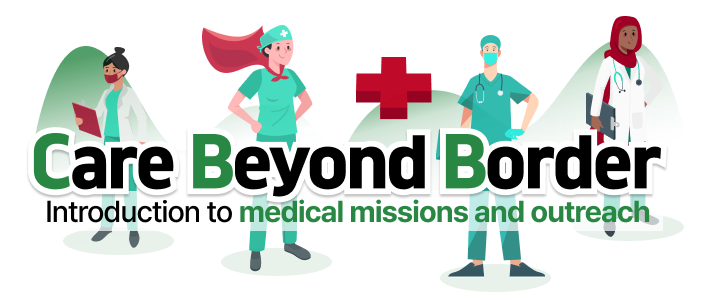
A major announcement at the ceremony was that 70 medical professionals working under the Diaspora Health Impact Initiative, known as DHII, will return to Nigeria for medical missions, specialist training, and health-sector capacity-building programmes in different parts of the country.
The announcement reflects a growing effort to translate the skills and global exposure of Nigerians abroad into tangible benefits for communities, hospitals, health workers, and patients at home.
Healthcare as a Foundation for National Development
In her message, Mrs Tinubu reiterated the commitment of the administration of President Bola Tinubu to building a healthcare system that is resilient, effective, and able to meet the needs of Nigerians.
The First Lady noted that quality healthcare is central to national development. This position reflects the reality that a country’s health system affects nearly every part of public life. When citizens have access to timely and reliable medical care, they are better able to work, learn, raise families, and contribute to the economy. On the other hand, poor health outcomes can deepen poverty, reduce productivity, place pressure on households, and undermine confidence in public institutions.
For Nigeria, strengthening healthcare involves more than building hospitals or purchasing equipment. It also requires sustained investment in people. Doctors, nurses, pharmacists, laboratory scientists, public health experts, medical researchers, specialists, and administrators are at the core of every functioning health system.
The country has many highly trained health professionals, both within Nigeria and across the world. However, the persistent migration of medical personnel has created concerns about workforce shortages, particularly in specialist areas and underserved communities. While many Nigerian professionals pursue careers abroad for valid professional and economic reasons, their continued connection to the country can help reduce the effects of these shortages.
The First Lady’s call therefore places emphasis on partnership rather than separation. Nigerians in the diaspora may live and work in other countries, but their expertise can still support Nigeria through professional exchanges, medical outreach, training sessions, telemedicine support, research collaboration, equipment donations, and mentorship.
A Call for Expertise, Knowledge Transfer, and Mentorship
Mrs Tinubu specifically encouraged diaspora healthcare professionals to invest their expertise, knowledge, and mentorship in Nigeria’s health sector. Her emphasis on mentorship is particularly significant because the development of the next generation of medical personnel will shape the future of healthcare delivery in the country.
Medical knowledge evolves continuously. New treatment approaches, diagnostic methods, surgical practices, technologies, and public health strategies emerge regularly. Exposure to international best practices can help Nigerian healthcare professionals gain access to current techniques and systems that may improve patient outcomes.
Diaspora professionals are often positioned to contribute in ways that go beyond direct clinical care. They can support professional development by leading workshops, conducting specialist training, sharing research findings, and creating links between Nigerian institutions and hospitals or universities overseas.
Mentorship can also make a lasting difference in the lives of young doctors, nurses, medical students, and other health workers. Through guidance on clinical practice, research, leadership, ethics, career development, and specialist training, experienced professionals can help younger colleagues navigate the challenges of working in the healthcare sector.
In a country with a large and youthful population, developing the skills of emerging health professionals is essential. Nigeria’s healthcare needs will continue to grow as the population expands, urbanisation increases, and the burden of both infectious and non-communicable diseases changes.
Training and mentorship can help ensure that Nigeria is better prepared to address challenges such as maternal and child health, cancer care, cardiovascular disease, diabetes, mental health, trauma care, infectious disease outbreaks, and the management of complex surgical conditions.
Seventy Medical Professionals Set to Return for Health Missions
One of the most concrete outcomes announced at the awards ceremony was the planned return of 70 healthcare professionals under the Diaspora Health Impact Initiative.
According to the First Lady, the medical professionals will participate in medical missions, specialist training, and capacity-building programmes throughout Nigeria. While medical missions can provide immediate care for patients who may otherwise struggle to access specialist services, the training and capacity-building components are equally important because they aim to create longer-term benefits.
A medical mission may offer consultations, surgeries, diagnostics, treatments, and public health awareness in a particular community or hospital. Such efforts can be especially valuable in areas where specialist services are limited or where residents must travel long distances to receive care.
However, sustainable healthcare progress requires more than short-term interventions. This is why capacity building remains a central feature of the Diaspora Health Impact Initiative. When visiting experts train local personnel, share clinical procedures, improve care pathways, and provide access to professional networks, the effects of their work can continue after the mission itself has ended.
Specialist training can support local doctors in managing more complex conditions. It can also strengthen hospitals by helping teams improve areas such as emergency response, surgical safety, infection prevention, diagnostics, patient records, clinical governance, and referral systems.
The 70 professionals returning under the DHII represent an example of how diaspora engagement can be structured around service and institutional support rather than individual recognition alone. Their participation is expected to demonstrate the patriotism and commitment of Nigerians abroad who remain interested in contributing to development in their home country.
The Diaspora Health Impact Initiative and Its Wider Importance
The Diaspora Health Impact Initiative has emerged as a platform for connecting Nigerian healthcare experts abroad with the country’s domestic health needs. The initiative recognises that diaspora engagement can be an important resource in addressing gaps in service delivery, specialist care, training, and health-sector management.
Nigeria has a globally recognised diaspora community. Nigerians abroad work in medicine, education, science, technology, business, engineering, public service, arts, sports, and many other fields. Their achievements have contributed to Nigeria’s international profile, while their remittances, investments, and charitable activities have supported families and communities across the country.
In healthcare, the diaspora’s contribution can be particularly significant. Nigerian doctors, nurses, researchers, and specialists work in hospitals, universities, laboratories, and health organisations around the world. Many have gained experience within systems that offer advanced technology, strong research structures, specialised services, and established standards for patient care.
Creating opportunities for these professionals to collaborate with institutions in Nigeria can help bridge knowledge gaps and encourage new approaches to longstanding challenges. This does not mean simply importing foreign models without considering local realities. Instead, it involves adapting useful ideas and practices to Nigeria’s specific social, economic, cultural, and institutional conditions.
A health intervention that works in one country may require adjustment to succeed in another. Nigerian communities differ in access to infrastructure, health literacy, transport, funding, staffing, and local disease patterns. Effective diaspora collaboration must therefore be based on partnership with local health workers, state and federal institutions, community leaders, and patients.
The DHII’s focus on medical missions alongside training suggests an attempt to balance immediate service delivery with longer-term system development. This combination can help ensure that diaspora contributions do not end with a single visit but become part of a broader effort to improve health outcomes over time.
NiDCOM Commends Nigerians Abroad for Their Contributions
The Chairman and Chief Executive Officer of the Nigerians in Diaspora Commission, Hon. Abike Dabiri-Erewa, praised Nigerians living abroad for their accomplishments and contributions across a range of sectors.
She noted that the influence of Nigeria’s diaspora community is felt through investments, knowledge transfer, humanitarian interventions, and professional excellence. Her remarks reflected the broader purpose of the National Diaspora Merit Awards, which is to recognise Nigerians whose achievements and service contribute to national development and enhance the country’s global image.
The Nigerians in Diaspora Commission has played a central role in building stronger institutional links between the Nigerian government and citizens living abroad. Such engagement is important because the diaspora is not a single, uniform group. It includes people from diverse professional backgrounds, generations, regions, and countries of residence.
Some members of the diaspora contribute through financial support to family members or local businesses. Others take part in philanthropy, education projects, community development, advocacy, professional exchanges, research, or investment. In healthcare, contributions may range from sponsoring medical equipment and hospital supplies to conducting specialist surgeries and supporting disease-prevention campaigns.
Recognising these efforts can help create a culture in which service to Nigeria is valued, celebrated, and better coordinated. It can also inspire others to find practical ways of contributing, whether through large-scale initiatives or smaller community-based interventions.
At the same time, effective diaspora engagement requires transparency, coordination, and clear planning. Medical professionals who want to contribute need dependable local partners, appropriate licensing arrangements, access to facilities, and a clear understanding of where their expertise is most needed. Government institutions, professional bodies, hospitals, and civil society organisations all have roles to play in making such partnerships productive.
The 2026 National Diaspora Merit Awards
The award presented to the First Lady was part of the 2026 National Diaspora Merit Awards, the fourth edition of the ceremony organised by NiDCOM.
The event was held under the theme: “Harnessing Global Diaspora Expertise to Strengthen Local Health Systems for National Development.”
This theme captured the main concern of the gathering: how Nigeria can make better use of the experience and skills of its citizens abroad to improve local health systems. It also pointed to a wider understanding of development as a collaborative effort involving government, professionals, institutions, communities, and international networks.
The gathering brought together healthcare professionals, policymakers, development partners, and Nigerians from the diaspora. Their participation created an opportunity to discuss innovative approaches to improving healthcare delivery.
Meetings of this nature are important because health-sector challenges often require cooperation across multiple levels. Policymakers may develop national priorities, but frontline health workers understand the realities faced by patients and hospitals. Diaspora professionals can bring external perspectives and specialised knowledge, while development partners may provide technical support or resources.
For collaboration to lead to lasting results, these groups must work around shared objectives. Such objectives may include improving maternal healthcare, strengthening primary healthcare centres, reducing preventable deaths, expanding access to specialist services, supporting rural communities, improving medical education, and building stronger emergency-response systems.
The awards ceremony also highlighted the connection between recognition and responsibility. Honouring individuals for their contributions can encourage continued service, but it can also focus public attention on the work that remains to be done.
Honouring Excellence Across Different Sectors
In addition to the First Lady, several other Nigerians received awards for their achievements and contributions in various fields.
Chief Chike Nweke was recognised in the Entertainment, Arts and Tourism category. His award reflected the importance of culture and creativity in promoting Nigeria’s identity internationally and contributing to economic activity.
Dr. Douglas Emeka Okor received recognition in the Medicine and Healthcare category, underscoring the role of medical professionals whose work contributes to health outcomes and the advancement of care.
Professor Fatima Kyari received the Diaspora Health Impact Initiative Award. Her recognition further highlighted the importance of health-focused service, professional collaboration, and the practical contribution of diaspora expertise to Nigeria’s medical sector.
Professor Hakeem Ibikunle Tijjani was honoured in the Education category. Education remains central to national development because it prepares future professionals, supports research, and creates opportunities for social mobility and innovation.
Chief Joseph Onah received the Philanthropy Award, acknowledging the role of charitable work in supporting communities and addressing social needs. Philanthropy can complement public initiatives by responding to urgent needs in education, health, welfare, and local development.
Haruna Kuje Anzaku was among the recipients of the Distinguished Service Award. Such recognition celebrates individuals whose dedication and contributions have made a meaningful impact in their areas of service.
Together, the awardees represented the diversity of Nigerian achievement. Their work demonstrates that national development is not limited to one profession or one sector. Progress depends on contributions from health workers, educators, entrepreneurs, artists, philanthropists, public servants, researchers, and community leaders.
Building a More Resilient Health System
The First Lady’s message comes at a time when Nigeria, like many countries, faces complex healthcare pressures. These include shortages of trained personnel, uneven access to specialist care, inadequate infrastructure in some areas, rising costs of treatment, and the need for stronger health insurance coverage.
Rural and underserved communities often experience the greatest difficulties. Residents may have limited access to hospitals, qualified health workers, diagnostic services, emergency care, and specialist treatment. In some cases, patients must travel substantial distances to obtain care, which can delay treatment and worsen outcomes.
A resilient health system must be able to respond to routine health needs as well as unexpected crises. It should be prepared to manage disease outbreaks, maternal emergencies, accidents, chronic illnesses, and public health threats. It should also protect health workers and ensure that facilities have the equipment, medicines, information systems, and personnel necessary to provide safe care.
Diaspora involvement cannot solve every challenge in the sector, but it can support important areas of need. By working with Nigerian institutions, diaspora professionals can contribute to clinical training, leadership development, health research, digital health innovation, and professional standards.
They can also help strengthen links between Nigeria and global health networks. Such connections can create opportunities for research partnerships, institutional exchanges, fellowships, equipment support, and collaborative responses to health challenges.
The key is ensuring that these efforts are consistent, coordinated, and aligned with local priorities. Sustained engagement will have a greater impact than isolated interventions.
A Shared Responsibility for Better Health Outcomes
The recognition of Senator Oluremi Tinubu as Diaspora Health and Humanity Champion reflects an emphasis on humanitarian service and healthcare development. Her call to Nigerians abroad reinforces the view that improving the health sector is a shared national responsibility.
Government has a critical role in setting policy, funding healthcare, improving infrastructure, and ensuring accountability. Health institutions must provide quality services and create environments where professionals can perform effectively. Medical associations and training institutions must uphold standards and develop future practitioners. Communities must also be included in health education and prevention efforts.
The diaspora can add value by bringing professional experience, innovation, resources, and a willingness to serve. When these contributions are connected to strong local systems, they can help build more effective and sustainable health services.
The planned deployment of 70 professionals through the Diaspora Health Impact Initiative offers a practical example of this approach. Their missions, training activities, and capacity-building work are expected to support hospitals, health workers, and patients across the country.
Ultimately, the success of such efforts will be measured not only by the number of professionals who return for missions, but by the lasting improvements created in communities and health institutions. More trained personnel, better clinical practices, stronger referral systems, improved access to specialist care, and healthier communities would represent meaningful progress.
The Abuja event therefore carried a message that extends beyond an award ceremony. It highlighted the potential of Nigerians around the world to work together in strengthening the country’s healthcare system and advancing national development.
출처 : Original Source